97.6% left with practical tools to have mental health conversations
You're aware of mental health. Now give your team the tools to do something about it.
A practical 90-minute workshop (60-minute option available), in-person or online, that gives your team the mindset shift and tools to speak up about their mental health early.
No clinical jargon. No box-ticking. Just real conversations that stick.
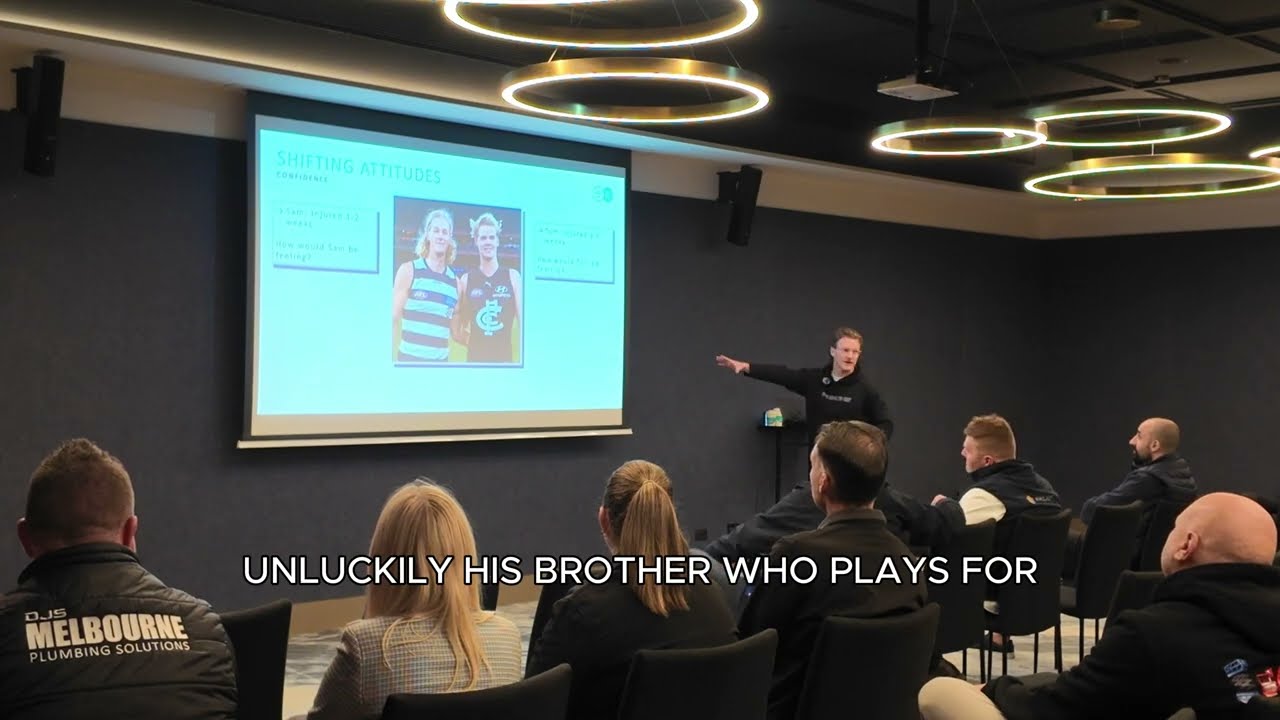
Watch this short video to see how it works.

Tell me about your team and I'll follow up
Workshop impact snapshot
97.6%
Left with practical tools to use
95.2%
More likely to speak up about their mental health
99.2%
Would recommend the workshop
100%
More confident that mental health is normal
Based on post-workshop participant survey (n=140, immediately post-session)
Most businesses don't know where to start
"Mental health is on our agenda, but we're not sure where to start."
"We've had someone struggle, we want to help and I don't want to be caught off guard again."
"We want to do something real, not just tick a box."
"We're a good team. I just want people to feel like they can actually speak up."
How is this workshop different?
| Others | It's Cool To Cry |
|---|---|
| "Are you OK?" and checking in on others. | "I'm not OK, can you listen?" checking in and speaking up for yourself. |
| Awareness only. Nothing practical to use after. | Practical tools and language from day one. |
| Clinical, formal, feels like a compliance exercise. | Interactive, relatable, feels like a regular chat. |
| Forgotten. | Talked about weeks later with tools being used at work and at home. |
What clients are saying

Korn Ferry
"I've been involved in a number of R U OK? Day and wellbeing events over the years and Jack's session generated some of the strongest engagement I've seen."
Nadine Abeya, Senior HR Advisor

Boroondara Council
"Rather than just a 'Mental Health 101', his workshop provided participants with tools they can walk away with and how to engage in meaningful conversations about their wellbeing."
Natasha Pool, Mental Health & Wellbeing Project Officer
Callaway
"Our team enjoyed the experience learning & MH workshop but also the safe space to discuss together mental health issues and helping each other which is really important. Highly recommend Jack and ICTC"
Beau Turner, Finance Director

Kat The Label
"Jack's approachable and relatable delivery made mental health conversations feel accessible and comfortable."
Kate Nixon, Founder

Johns Lyng Group
"Our teams have embraced Jack's golden nuggets which have translated into more transparent staff discussions and engagement. Within 24 hours of Jack's workshop we had already scheduled another session."
Darlene Pearson, HR Director

BMD Constructions
"The feedback was overwhelmingly positive, and it's clear the session resonated with our team long after the workshop finished."
Katya Halliday, Executive Assistant

Vitality Brands
"Your casual, human touch made the team feel right at home, you nailed a conversation that can be uncomfortable for many."
Carly Toth, GM of People & Culture

National Heavy Vehicle Regulator
"The team particularly appreciated the practical strategies and insights that can be used to better support themselves and their family and friends."
Sonia Mishra, WHS Business Partner
Occupational Therapy Services Group
"Jack challenged us to reflect on ourselves, gave us the confidence to be vulnerable, and equipped us with simple tools to support ourselves, our colleagues and the people we care about."
Chris Pearce, Managing Director
Mind The Change Inc.
"The workshop opened so many doors and conversations around our work and how we operate as a team. Very practical and useful."
Althea Gordon, Artistic Director
I've also worked with








What your business gets
Stop guessing who's struggling
Most workplace mental health support only kicks in once someone puts their hand up.Most don't, until things are already serious. After this workshop, your team speaks up earlier, while things are still small.
A more connected team
The conversations in the workshop don't usually happen anywhere else.People hear things about colleagues they've worked alongside for years and that understanding shows up afterwards.
Action on psychosocial risk
Australian employers have a legal duty of care to manage psychosocial hazards and provide appropriate training.This workshop is demonstrable action against that obligation, capability building, not just awareness.
Skills that follow your team home
The tools your team learns get used at work and at home, in marriages, with kids, with mates.The workshop runs for up to 90 minutes. What they take away lasts far longer.
What participants walk away with
Normalisation
Participants understand that mental health is something they can work on and improve. Struggling is normal and OK, but struggling alone and in silence isn't.Together we poke holes in sayings we've inherited like "I don't want to be a burden" or "someone else has it worse."
Speak up earlier
Mental health is seen as a prevention and maintenance measure, not something we only do in crisis moments. They gain confidence to raise their hand before things become overwhelming.They learn the mental health pain scale, the timeline tool (24h/48h/7-day check-ins), how to start these conversations and who to have them with.
Name what they're feeling
Participants will learn to go beyond feeling "fine", "busy" and "good" to figure out how they're actually feeling. They'll learn evidence-based practices to help properly label emotions.The Feels Wheel and "name it to tame it" are practical tools they'll learn to identify and articulate emotions.
Listen without fixing
A shift from trying to solve to genuinely hearing. One of the most valuable conversational skills there is.They learn active listening, how to frame the conversation ("I just need to vent" vs "I need help"), and the best question to ask during these conversations: "How can I best support you?"
What participants are saying
"Finally made my mind up about seeking help."
"It's okay to share your thoughts and feelings, no matter if they're not heavy enough. Your feelings are always relevant."
"Mental health is normal. A problem shared can mean a problem reduced."
"How important it is to actively listen, and the fact you can't solve everyone's problems, nor should you try to."
Clinical credibility
For safety and accuracy, all workshop content has been reviewed by these mental health professionals
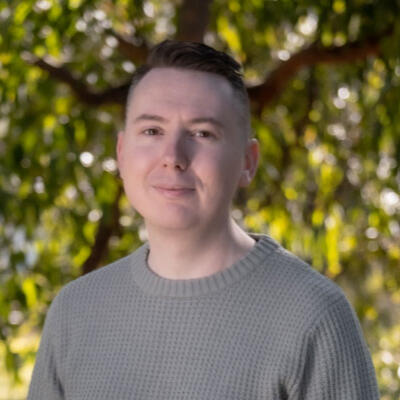
Dr Jake Kraska – Clinical, Educational & Developmental Psychologist

Fletcher Curnow – Community
Psychologist
Clinical testimonials
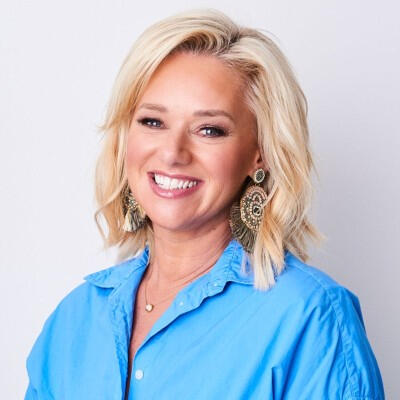
"Jack's lived experience provides an impactful foundation to help normalise difficult conversations and he has practical strategies too."
Sabina Reed, Psychologist
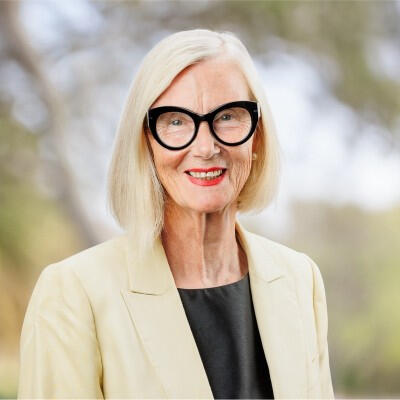
"A powerful, human workshop that turns awareness into action."
Debbie Dobbie, Organisational Psychologist
Workshop details
Duration: 90 minutes recommended (60-minute option available)
Format: In-person or online
Group size: 5 to 100+
Location: Australia-wide (I'm Melbourne-based)
Includes: The workshop, 5 ICTC merch items for your organisation to use however you like, a 10-week follow-up email series for participants (opt-in) and a 3-month impact summary (before and after results)
Before every workshop, I'll confirm your organisation's internal support pathways (EAP, MHFA contacts or wellbeing leads) so participants know where to go if the conversation brings something up. Straight after the workshop, participants receive a follow-up email with support resources.
About Jack

I created It's Cool To Cry after losing people close to me who never felt able to speak up. My work focuses on giving everyone the confidence, language and tools to ask for help early, before things become overwhelming.
I've facilitated these sessions for over a thousand people. I'm experienced at holding space for difficult moments with care and without drama. Your team is in good hands.